Strategy

Two Disruptions at Once: Managing the EV Transition and the Rise of Chinese Brands in the GCC

Row of EV charging stations under blue sky — the expanding electric vehicle infrastructure across the GCC

GCC dealer groups are navigating two structural disruptions simultaneously, and the interaction between them is more complex than either is in isolation. The transition to electric vehicles is reshaping the economics of automotive retail in ways that favour different capabilities, different cost structures and different customer relationships than the ICE model that most dealer groups have spent decades optimising. At the same time, Chinese manufacturers have arrived in the GCC not as niche players but as serious volume competitors with products, pricing and distribution strategies that incumbent brands are struggling to match. Understanding how these two forces interact is now a board-level strategic priority.

The EV Transition Demands a Different Business Model

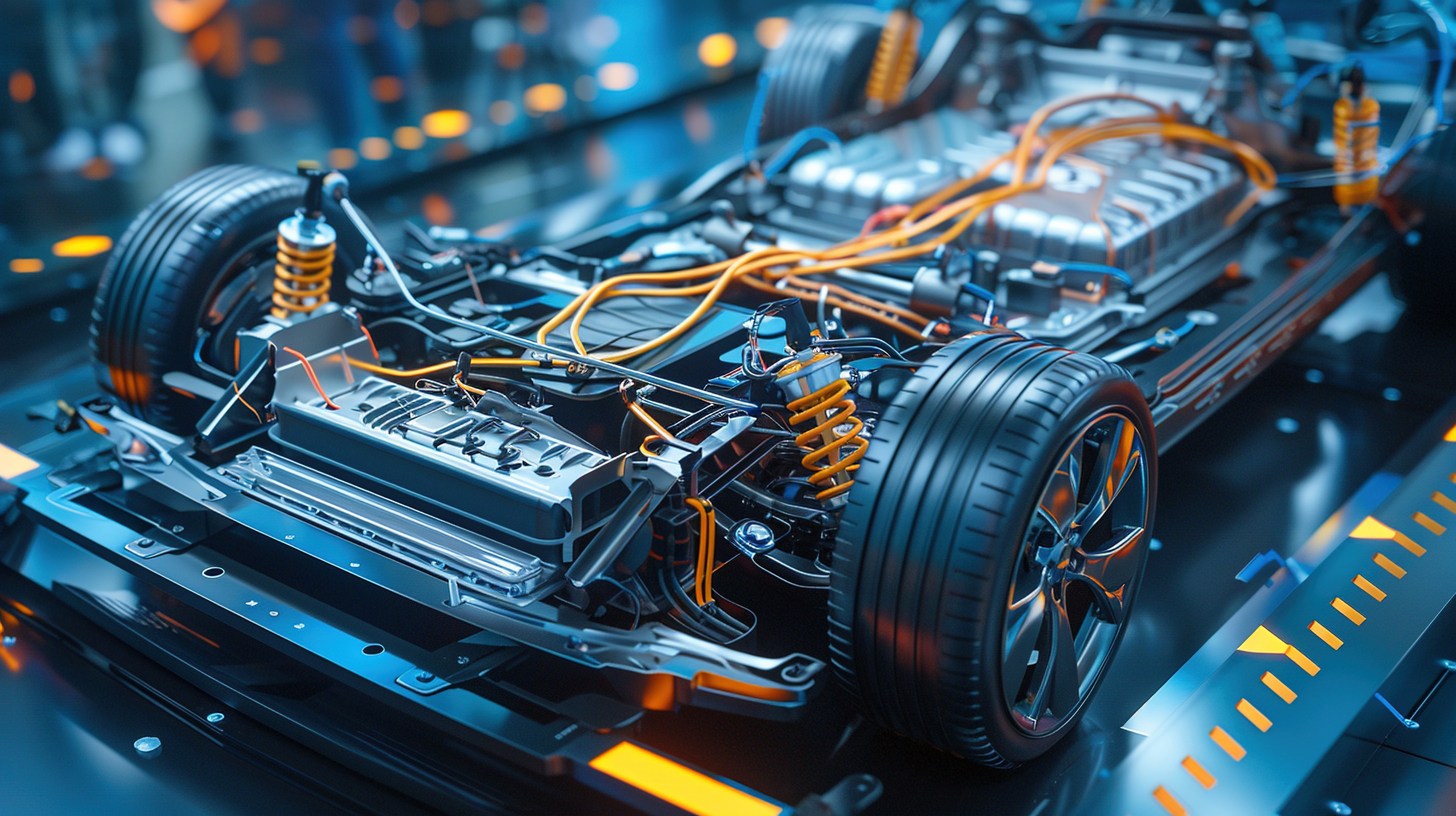
The economic model of ICE automotive retail is built on complexity. Service revenue depends on the mechanical complexity of internal combustion engines, the frequency of consumable replacement, and the proprietary knowledge required to maintain them. New vehicle gross profit depends on a purchase process that is information-asymmetric, relationship-dependent and time-intensive. Both of these structural advantages erode under electrification. EVs require less frequent servicing, simpler maintenance and, in the agency model that several OEMs are pursuing, a purchase process that reduces the dealer's role in the transaction.

The dealer groups that are managing this transition effectively are not those that are resisting it. They are those that are rebuilding their aftersales capability around EV-specific revenue streams: battery health diagnostics, software update management, charging infrastructure partnerships and the extended warranty products that EV owners value highly. They are also investing in the technical training required to service EVs competently, which is a genuine differentiator in a market where EV service capability is still scarce.

Chinese Brands Are Not a Temporary Phenomenon

The instinct of many incumbent dealer groups in the GCC has been to treat Chinese brands as a low-price threat that will be contained by quality concerns and brand loyalty. This instinct is wrong. BYD, Chery, SAIC and their peers are not competing on price alone. They are competing on specification, technology integration, warranty terms and, increasingly, on the quality of the retail and aftersales experience. The GCC consumer, who is sophisticated, brand-aware and willing to pay for quality, is engaging with Chinese brands in numbers that were not anticipated two years ago.

For dealer groups, the strategic question is not whether to engage with Chinese brands but how. Several groups that have taken on Chinese brand franchises have found that the commercial terms, the operational requirements and the manufacturer relationship dynamics are materially different from those of established Western and Japanese OEMs. The investment required to build a credible Chinese brand operation is real. So is the opportunity, particularly in segments where incumbent brands have been slow to offer competitive EV products.

“

The dealer groups that will define the next decade in GCC automotive are not those that managed the EV transition and the Chinese brand challenge as separate problems. They are those that saw the connection between them and built a strategy that addressed both.

The Strategic Response: Positioning for Both Disruptions

The dealer groups best positioned for the next five years are those that are treating the EV transition and the Chinese brand challenge as connected rather than separate. Chinese brands are disproportionately EV-forward. A dealer group that builds EV operational capability, whether through an established OEM's EV range or through a Chinese brand franchise, is simultaneously preparing for the broader EV transition and capturing the Chinese brand opportunity. The capability investment overlaps significantly.

The groups that will struggle are those that are managing both disruptions reactively: waiting for OEM direction on EVs, and watching Chinese brands gain market share without a considered response. The window for proactive positioning is narrowing. The dealer groups that act in the next twelve to eighteen months will have a structural advantage that will be difficult for later movers to close.

Frequently Asked Questions