Strategy

The EV Transition in Saudi Arabia: What Dealer Groups Must Do Now

RK

Raj Kohli

Founder & CEO, HCP Group

January 2026●7 min read
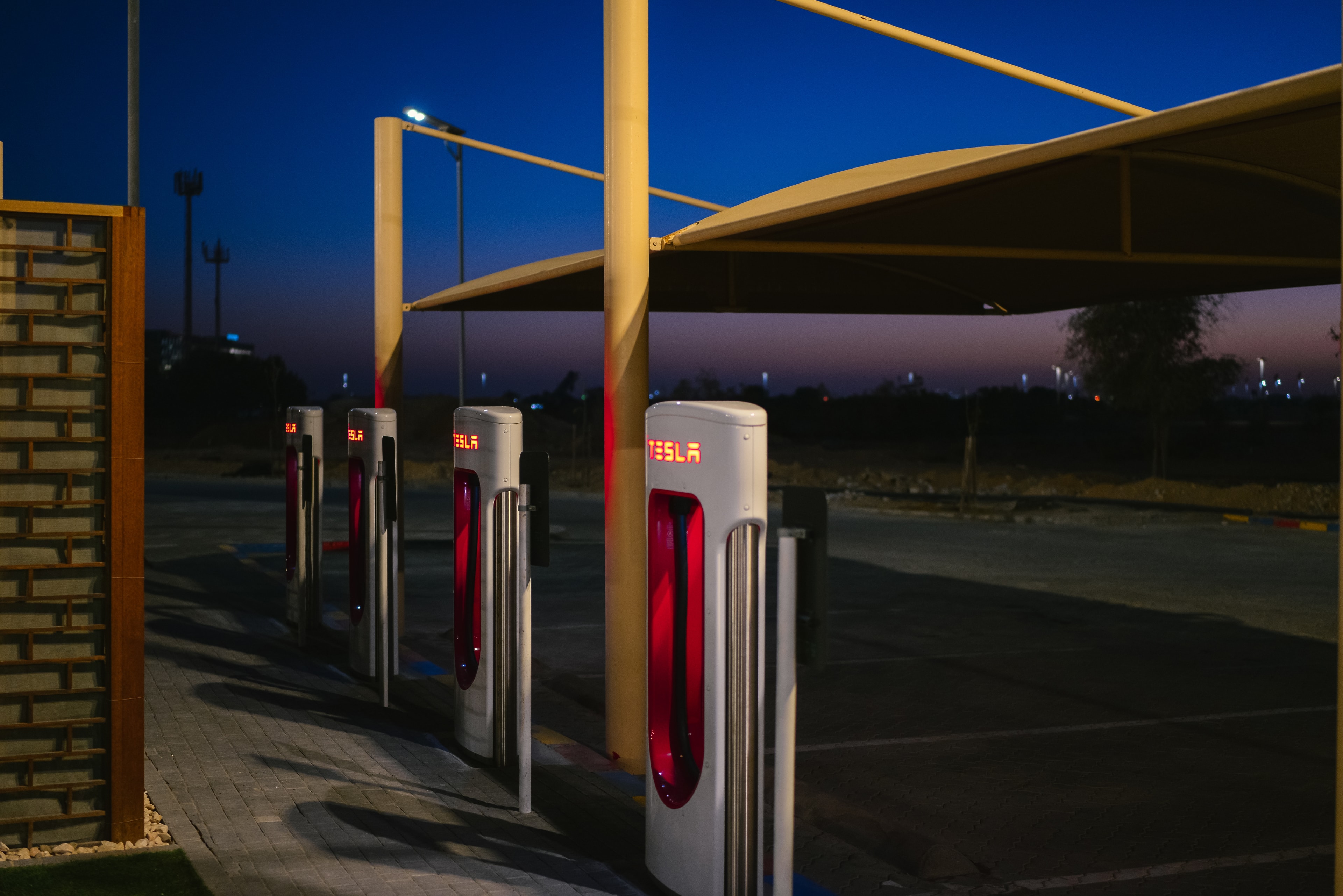
Tesla Supercharger stations in the UAE at dusk — EV infrastructure expansion across the GCC

Saudi Arabia's transition to electric vehicles is not a distant horizon event. The policy direction is set, the infrastructure investment is committed, and the OEMs are repositioning their GCC strategies accordingly. For franchised dealer groups operating in the Kingdom, the question is no longer whether to prepare. It is whether they have left it too late.

The Policy Context

Vision 2030 has set a target of 30 per cent electric vehicle penetration in Saudi Arabia by 2030. The National Industrial Development and Logistics Program is backing domestic EV manufacturing through the CEER and Lucid partnerships. The Saudi Green Initiative has committed to planting 10 billion trees and reducing carbon emissions by 278 million tonnes, with transport electrification a central pillar of that commitment.

These are not aspirational statements. They are funded programmes with ministerial accountability. The regulatory environment that follows, covering emissions standards, import incentives and infrastructure mandates, will reshape the economics of automotive retail in the Kingdom over the next five years.

Dealer groups that are treating the EV transition as a future consideration are making a strategic error. The preparation required to compete effectively in an EV-dominant market takes three to five years to build. That window is closing.

What Changes for Dealer Groups

The shift to electric vehicles does not simply change the product. It changes the economics of the entire dealership model. Aftersales revenue, which accounts for 40 to 60 per cent of dealer group profitability in a mature market, is structurally threatened. Electric vehicles have fewer moving parts, longer service intervals, and no oil changes. The aftersales revenue per vehicle in service will decline materially over the next decade.

The sales process changes too. EV customers arrive at the showroom better informed, more price-sensitive to total cost of ownership, and more likely to have already made their decision online. The traditional high-touch, high-margin new vehicle sales process that Saudi dealer groups have built their businesses around is less effective with this customer profile.

Technician capability is a third dimension. The diagnostic and repair skills required for high-voltage EV systems are fundamentally different from those required for internal combustion engines. Building this capability takes time and investment, and the technicians who have it are already scarce across the GCC.

The OEM Dimension

The major OEMs are restructuring their GCC dealer network strategies in parallel with their global EV transitions. Several are moving towards agency or hybrid models for EV sales, retaining control of pricing and customer data whilst using dealer facilities for delivery and service. This is not a hypothetical. It is already the structure for some EV brands operating in the UAE.

For dealer groups with strong franchise relationships, this creates a negotiating window that will not remain open indefinitely. The OEMs need dealer infrastructure for the transition period. Groups that engage proactively, demonstrating EV capability, committing to facility investment, and positioning themselves as preferred transition partners, will secure better terms than those who wait.

Groups that are passive will find the terms set for them. In some cases, they will find the franchise relationship restructured in ways that fundamentally alter their economics.

“

The dealer groups that will thrive through the EV transition are not the ones that wait for clarity. They are the ones that build the capability before the volume arrives.

The Strategic Decisions That Cannot Be Deferred

The first decision is facility investment. EV servicing requires high-voltage charging infrastructure, specialist workshop equipment, and in many cases physical separation from ICE service operations for safety reasons. The capital requirement is significant. The planning and permitting timeline in Saudi Arabia means that groups which have not started this process are already behind.

The second is talent. Identifying, recruiting and training EV-capable technicians and sales staff is a multi-year programme. The groups that start now will have a meaningful capability advantage when EV volume arrives. Those that wait will be competing for scarce talent in a seller's market.

The third is the aftersales revenue model. Groups that are still projecting aftersales revenue on the basis of current ICE service economics are building their five-year plans on a foundation that will not hold. The strategic response, whether through service diversification, used EV operations, fleet management or other revenue streams, needs to be designed now, not when the revenue decline is already visible in the P&L.

What HCP Group Advises

The dealer groups we work with in Saudi Arabia and across the GCC are at different stages of EV transition readiness. Some have begun the facility investment and talent development programmes. Others are still in the assessment phase. A small number are not yet treating this as a strategic priority.

Our advice is consistent. The transition will arrive faster than most dealer group leadership teams currently expect, and the preparation required is longer than most currently plan for. The groups that will thrive are not the ones that wait for the market to force their hand. They are the ones that build the capability before the volume arrives, and use that capability advantage to negotiate better franchise terms, attract better talent, and serve the early EV customer better than their competitors.

If your group has not yet conducted a structured EV readiness assessment covering facilities, talent, aftersales economics and OEM relationship positioning, that is the place to start.

Frequently Asked Questions